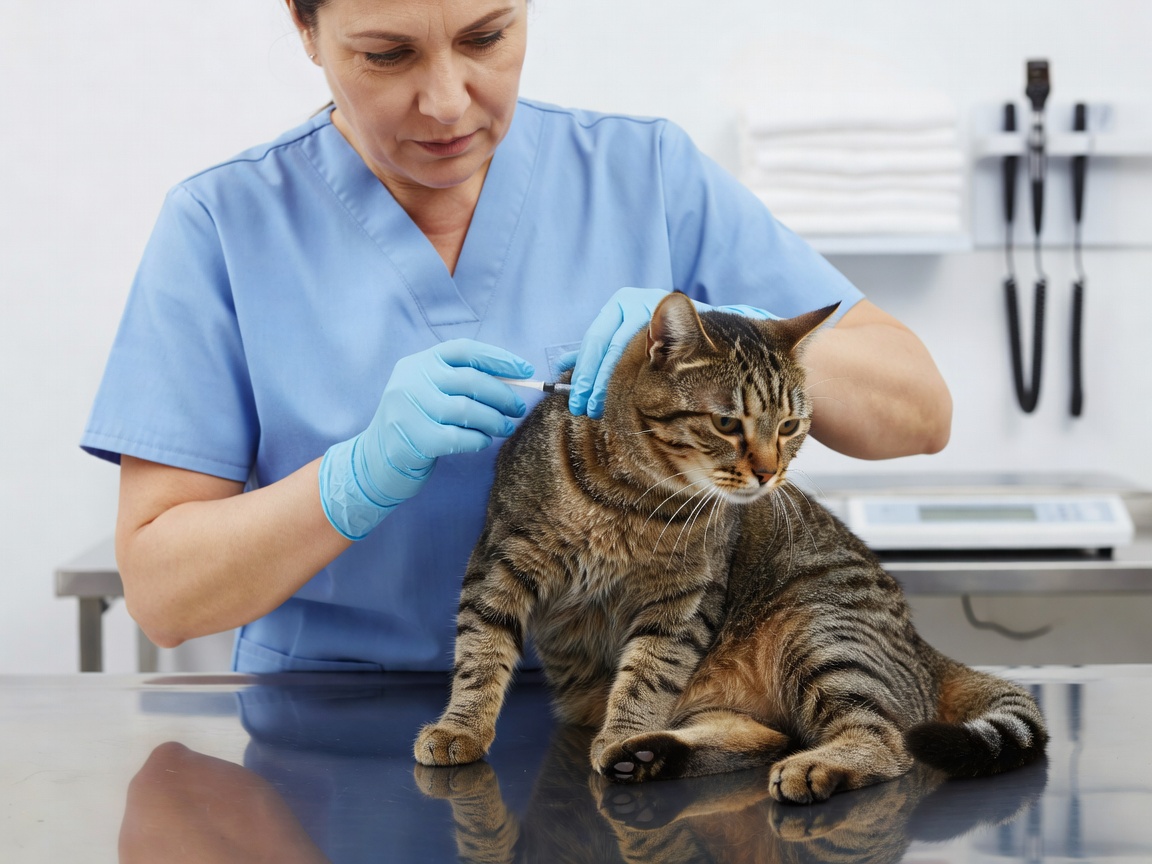
Vaccines are the frontline shield protecting cats from virulent viral pathogens that cause high mortality in untreated felines. Understanding the distinction between Core vaccines (mandatory for all cats regardless of lifestyle) and Non-Core vaccines is essential for tailored preventative medicine.
1. The Core Feline Vaccines (FVRCP & Rabies)
All cats—including strictly indoor cats—must be immunized against the trivalent FVRCP combination:
- Feline Panleukopenia Virus (FPV): Commonly termed feline distemper. A highly resistant parvovirus that targets intestinal crypt cells and bone marrow, inducing severe leucopenia, bloody diarrhea, and sudden death.
- Feline Herpesvirus-1 (FHV-1): Causes feline viral rhinotracheitis, severe corneal ulcers, conjunctivitis, sneezing, and chronic upper respiratory disease.
- Feline Calicivirus (FCV): Highly contagious respiratory virus causing painful oral tongue ulcerations, chronic stomatitis, and in virulent systemic strains, widespread organ edema.
- Rabies Virus: Fatal zoonotic neurotropic infection transmissible to humans; legally required across most worldwide jurisdictions.
2. Kitten to Senior Vaccination Timeline
First Core Dose (FVRCP Dose #1)
Maternal antibodies (colostrum) start declining. Initiates baseline antibody production. Comprehensive intestinal parasite fecal screening and initial deworming against roundworms (Toxocara cati).
Second Booster (FVRCP Dose #2) & FeLV Test
Second booster to bridge the critical window where maternal antibodies fade. Blood screening for Feline Leukemia Virus (FeLV) and Feline Immunodeficiency Virus (FIV).
Third Booster (FVRCP Dose #3) & Rabies Vaccine
Final kitten series dose establishing high protective titers. Administration of the primary Rabies vaccination (killed or recombinant non-adjuvanted vaccine).
First Annual Booster
First adult booster for FVRCP and Rabies. Crucial for solidifying memory lymphocyte response for long-term immunity.
Extended Triennial Booster Cycle
According to American Association of Feline Practitioners (AAFP) guidelines, low-risk indoor adult cats with solid puppy/kitten foundations require FVRCP boosters every 3 years rather than annually.
3. Parasite Prevention (Fleas, Ticks, Heartworms, Worms)
Indoor cats are frequently infected by mosquitoes carrying feline heartworm larvae (Dirofilaria immitis) or flea pupae tracked indoors on shoes. Unlike canines, there is no approved medical treatment to kill adult heartworms in cats; prevention through monthly topical spot-on medications (such as selamectin or fluralaner) is the sole medical recourse.