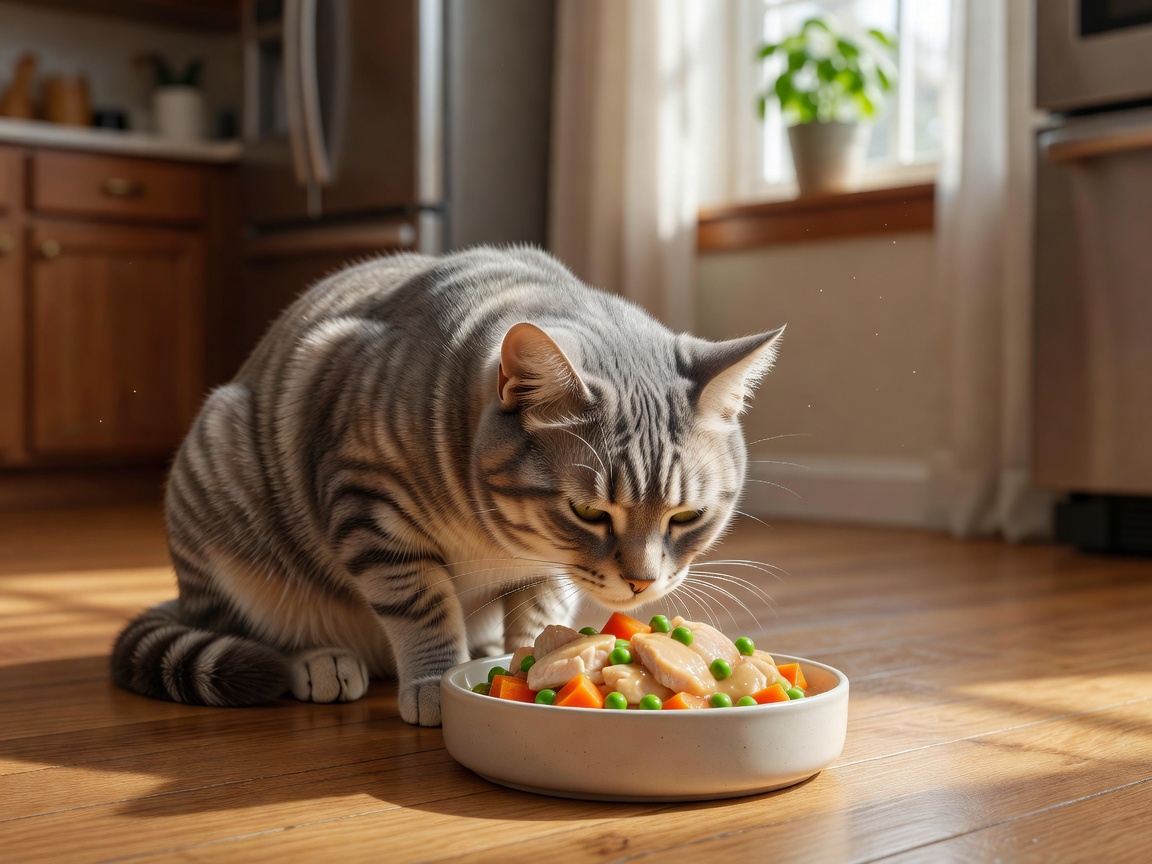
Cats are not small dogs, nor are they omnivores with flexible digestive mechanisms. Felines are strict, evolutionary obligate carnivores. Their cellular metabolism, liver enzymes, and renal processes depend entirely on animal muscle meat, visceral organs, and moisture derived directly from prey.
1. The Obligate Carnivore Biology
Unlike canines and humans, felines have lost the genomic capacity to synthesize several key amino acids and fatty acids from plant matter. Without these crucial organic compounds in bioavailable meat forms, devastating deficiencies occur rapidly:
- Taurine: Essential for cardiac myocardial muscle contraction and retinal photoreceptor viability. A lack of dietary taurine causes dilated cardiomyopathy (DCM) and central retinal degeneration leading to permanent blindness.
- Arginine: Just a single meal completely devoid of arginine can precipitate severe hyperammonemia in felines, causing clinical seizures, ataxia, and hepatic encephalopathy within hours.
- Preformed Vitamin A (Retinol): Cats lack the intestinal enzyme to cleave plant carotenoids (beta-carotene) into active Vitamin A, demanding direct liver or animal fat intake.
- Arachidonic Acid: An essential fatty acid required for skin integrity, reproductive vitality, and blood clotting mechanisms.
Clinical Fact: The Missing Thirst Drive
Ancestral wild cats (Felis lybica) inhabited arid desert scrublands where water sources were sparse. They evolved to fulfill 70% to 80% of their daily hydration strictly through the moisture of newly captured prey. Consequently, domestic cats exhibit a notoriously low thirst drive and will chronically run in sub-clinical dehydration if fed solely dry kibble.
2. Dry Kibble vs. Canned/Wet Food: Clinical Comparison
The prolonged consumption of dehydrated carbohydrates has been repeatedly linked in veterinary internal medicine to Feline Lower Urinary Tract Disease (FLUTD), chronic kidney disease (CKD), and feline diabetes mellitus.
| Parameter | Commercial Dry Kibble | Premium Wet / Canned Food |
|---|---|---|
| Moisture Content | 6% - 10% | 75% - 82% |
| Carbohydrate % | 35% - 50% (required for extrusion) | 1% - 8% (biologically appropriate) |
| Urine Specific Gravity | Concentrated (Elevated risk of stones) | Diluted (Natural flushing action) |
| Calorie Density | High (Predisposes to obesity) | Moderate (Assists lean body mass) |
3. Transitioning an Addicted Kibble Cat
Kibble manufacturers spray animal fats and synthetic palatants ("animal digests") on dry food surfaces, making them addictive to felines who imprint on crunch textures during their juvenile kitten stage. To safely transition your cat:
- Never starve a cat: Felines that go 48 hours without food risk hepatic lipidosis (fatty liver disease), which can be fatal.
- Establish scheduled meal times: Stop free-feeding kibble. Provide meals twice daily so the cat builds an appetite.
- The 10-Day Increment Method: Introduce a teaspoon of warm wet food alongside their dry meal, gradually shifting the ratio by 10% daily.
- Aromatics & Warmth: Warm canned food to body temperature (approx 38°C/100°F) to release savory amino acid aromas that ignite their predatory olfactory sense.
4. Toxic Foods Every Owner Must Know
Never allow your cat access to the following foods, which cause severe hemolysis, renal shutdown, or cardiac collapse:
- Alliums (Onions, Garlic, Chives, Leeks): Contain thiosulfates that destroy red blood cells, inducing severe hemolytic anemia.
- Grapes & Raisins: Unknown nephrotoxin causing acute renal failure.
- Chocolate & Caffeine: Methylxanthines cause arrhythmias, tremors, and sudden death.
- Lilies (All species of Lilium & Hemerocallis): Highly lethal. Even drinking vase water or licking pollen off fur causes complete acute kidney failure in 36 to 72 hours.